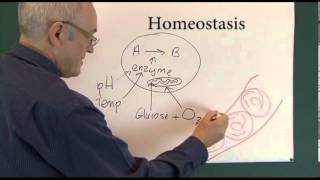
Introduction to Homeostasis For Beginners A Step By Step Guide To Understanding Parameters
Exploring Homeostasis For Beginners A Step By Step Guide To Understanding Parameters reveals several interesting facts. Electrolyte Balance – Sodium, potassium, and calcium concentrations govern nerve impulses and muscle contraction. Imbalances often surface as cramps, arrhythmias, or confusion.
Homeostasis For Beginners A Step By Step Guide To Understanding Parameters Comprehensive Overview
Check out our website ⭐️ *** WHAT'S COVERED *** 1. Definition of In this video, Dr Mike outlines the 6 components of A&P Study app - Other resources - This fall, we are going to ...
Summary & Highlights for Homeostasis For Beginners A Step By Step Guide To Understanding Parameters
- Homeostasis, the body’s ability to maintain internal stability despite external changes, is a cornerstone of health that many busy readers overlook. This guide breaks down the essential parameters—temperature, pH, blood glucose, and electrolyte balance—into a clear, actionable roadmap, helping newcomers grasp why each variable matters and how to monitor it without getting lost in jargon.
- At its core, homeostasis is the body’s self‑regulating system, keeping conditions within narrow limits that enable enzymes and cells to function optim to. Disruptions can trigger fatigue, dehydration, or more serious conditions like metabolic syndrome. Understanding the parameters that define this balance equips you to spot early signs of imbalance and take preventive steps before a minor deviation becomes a health issue.
- Body Temperature – Normal core temperature hovers around 36.5‑37.5 °C (97.7‑99.5 °F). Fever or hypothermia indicate the thermostat in the hypothalamus is signaling a problem.
- Blood pH – A tightly regulated range of 7.35‑7.45 keeps metabolic reactions running smoothly. Shifts toward acidity or alkalinity can affect breathing and kidney function.
- Glucose Levels – Fasting blood sugar should stay between 70‑99 mg/dL. Spikes after meals or prolonged lows hint at insulin dynamics that need attention.
Stay tuned for more updates related to Homeostasis For Beginners A Step By Step Guide To Understanding Parameters.
Frequently Asked Questions about Homeostasis For Beginners A Step By Step Guide To Understanding Parameters
Q: What is the most accurate information about Homeostasis For Beginners A Step By Step Guide To Understanding Parameters?
A: Our platform aggregates the most comprehensive and up-to-date insights, ensuring you get relevant details about Homeostasis For Beginners A Step By Step Guide To Understanding Parameters.
Q: Why is Homeostasis For Beginners A Step By Step Guide To Understanding Parameters trending right now?
A: Interest in Homeostasis For Beginners A Step By Step Guide To Understanding Parameters has surged recently as more people seek reliable resources, related media, and detailed analysis.
Q: Where can I find related media and updates for Homeostasis For Beginners A Step By Step Guide To Understanding Parameters?
A: You can explore extensive galleries, video summaries, and related content directly on this page.