Understanding Streamline Your Silverscript Prior Auth Forms
Exploring Streamline Your Silverscript Prior Auth Forms reveals several interesting facts. Today, we're tackling a super important topic in healthcare—
Key Takeaways about Streamline Your Silverscript Prior Auth Forms
- Multi‑payer practices frequently encounter contradictory form requirements. A “one‑size‑fits‑all” template may satisfy Medicare but omit the prior‑auth code needed by a private health plan. Streamlining, in this context, means building a decision matrix that cross‑references each insurer’s criteria before the form is generated. Clinics that have implemented such matrices report a reduction in rejected submissions from 18 % to under 5 %. The trade‑off is the need for ongoing maintenance: every time an insurer.
- Full automation—where an algorithm submits a Silverscript request without human review—appears attractive, especially for routine, low‑risk prescriptions. Yet the data reveal a spike in audit findings when oversight is removed entirely: 12 % of automated submissions contained dosage mismatches that would have been caught by a pharmacist’s glance. A hybrid model, where the system flags high‑risk cases for manual verification while processing straightforward ones automatically, preserves speed without sacrificing.
- Even the most streamlined Silverscript workflow cannot guarantee instant approval. Insurers still operate under internal review cycles, and peak periods—such as the start of a new plan year—can extend response times beyond the ideal 24‑hour window. Clinics that set patient expectations correctly—communicating a “24‑48 hour” window instead of “same‑day”—experience fewer complaints and higher satisfaction scores. Moreover, maintaining a log of average turnaround times by insurer equips staff with data to prioritize.
- Pros: Reduced manual entry, lower rejection rates, faster patient access to medication.
Detailed Analysis of Streamline Your Silverscript Prior Auth Forms
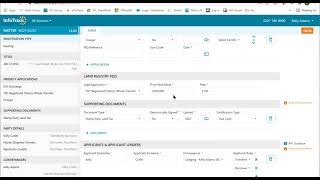
Video presentation by Intern Batch 4 Kathleen Cordeta No copyright infringement intended. For educational and entertainment ... Pharmacies and clinics that rely on Silverscript’s prior‑authorization platform are confronting a familiar bottleneck: paperwork that drags on, errors that force re‑submissions, and staff time that could be spent on patient care. Recent workflow audits show that organizations that adopt a focused “streamline” approach can cut processing time by up to 30 %, but the gains come with hidden costs and a learning curve that managers must weigh before committing resources. Imagine a suburban pharmacy handling a high‑volume flu season. The back‑office team receives a surge of requests for antiviral medication, each flagged by Silverscript for prior authorization. By integrating a real‑time verification API directly into their dispensing software, the pharmacy can auto‑populate patient demographics, insurer details, and dosage information. The immediate benefit is fewer manual entry errors and a smoother handoff to the insurer’s online portal. However, the upfront investment—both in.
Stay tuned for more updates related to Streamline Your Silverscript Prior Auth Forms.
Frequently Asked Questions about Streamline Your Silverscript Prior Auth Forms
Q: What is the most accurate information about Streamline Your Silverscript Prior Auth Forms?
A: Our platform aggregates the most comprehensive and up-to-date insights, ensuring you get relevant details about Streamline Your Silverscript Prior Auth Forms.
Q: Why is Streamline Your Silverscript Prior Auth Forms trending right now?
A: Interest in Streamline Your Silverscript Prior Auth Forms has surged recently as more people seek reliable resources, related media, and detailed analysis.
Q: Where can I find related media and updates for Streamline Your Silverscript Prior Auth Forms?
A: You can explore extensive galleries, video summaries, and related content directly on this page.