Understanding Expert Tips For Creating An Efficient Cornell Schedule
Let's dive into the details surrounding Expert Tips For Creating An Efficient Cornell Schedule. Time‑block the review. Allocate a 5‑minute slot at the end of each day to scan cue columns and convert them into calendar events or task‑list entries.
Key Takeaways about Expert Tips For Creating An Efficient Cornell Schedule
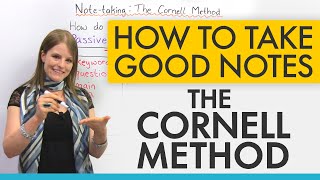
- Do you take notes in class? Are they actually helpful for you? Let's learn about the
- Superfocus: Our Ultimate Productivity System for People with More Ambition than Time ...
- When a tight agenda squeezes every minute, the conventional “write‑as‑you‑go” approach to note‑taking often turns into a time sink. The Cornell system—originally devised for students—offers a structured alternative that can be molded into a daily scheduling tool, helping professionals capture key information, plan actions, and revisit priorities without sacrificing productivity.
- Most professionals start meetings or brainstorming sessions by scrolling a blank page, then scrambling to locate critical points later. This habit creates two hidden costs: the initial lag while the brain translates thoughts into text, and the later effort spent hunting for the very item that should prompt the next step. The result is a fragmented record that rarely translates into actionable items, especially when the workday demands rapid pivots.
- Adapting the classic three‑section layout—Cue Column, Note‑Taking Area, and Summary—into a daily planner turns passive note‑taking into an active decision‑making process. Begin each page by drawing a narrow left margin (≈2 inches). During a meeting, populate the right‑hand space with concise bullet points, timestamps, and data. After the session, shift into the cue column to jot down trigger questions (“What’s the next deadline?”) or tags (“Follow‑up”, “Client‑X”). Finally, compress the page’s essence into a.
Detailed Analysis of Expert Tips For Creating An Efficient Cornell Schedule
Leverage digital cues. When using a tablet or note‑taking app, link cue‑column keywords to searchable tags, enabling one‑click access to related emails or documents. Batch similar topics. Group pages by project or client, then reserve a weekly 15‑minute “knowledge sweep” to extract cross‑page insights and prevent duplication. Join 500000+ professionals in our courses here Are you leaving meetings unsure of the ...
That wraps up our extensive overview of Expert Tips For Creating An Efficient Cornell Schedule.
Frequently Asked Questions about Expert Tips For Creating An Efficient Cornell Schedule
Q: What is the most accurate information about Expert Tips For Creating An Efficient Cornell Schedule?
A: Our platform aggregates the most comprehensive and up-to-date insights, ensuring you get relevant details about Expert Tips For Creating An Efficient Cornell Schedule.
Q: Why is Expert Tips For Creating An Efficient Cornell Schedule trending right now?
A: Interest in Expert Tips For Creating An Efficient Cornell Schedule has surged recently as more people seek reliable resources, related media, and detailed analysis.
Q: Where can I find related media and updates for Expert Tips For Creating An Efficient Cornell Schedule?
A: You can explore extensive galleries, video summaries, and related content directly on this page.