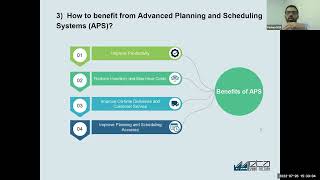
Understanding Mastering Aps Schedule Optimization For Peak Performance
Welcome to our comprehensive guide on Mastering Aps Schedule Optimization For Peak Performance. When you can present a realistic, data‑driven timeline, clients and team members gain confidence. APS reports generate clear Gantt charts and milestone alerts, turning vague promises into measurable commitments. A local nonprofit that recently adopted APS reported a 22 % increase in donor‑reporting punctuality, simply because they could show exact dates for grant‑writing stages.
Key Takeaways about Mastering Aps Schedule Optimization For Peak Performance
- Most people rely on simple calendar apps that treat each event as an isolated block. That approach ignores task dependencies, resource constraints, and the inevitable delays that arise from real‑world interruptions. The result is overbooked days, missed deadlines, and a lingering sense that “there’s never enough time.” APS tools were built to address exactly these gaps, yet many users never tap their full potential.
- APS systems map out who—or what—is needed for each job, then automatically adjusts start times to match availability. For a small manufacturing shop, this means the cutting machine isn’t scheduled to run while the operator is on a lunch break. For a freelance marketer, it ensures that graphic design, copywriting, and client review phases don’t clash. By visualizing resource bottlenecks early, you can reallocate capacity before a conflict spirals into overtime.
- Unexpected delays—like a shipment arriving late or a software glitch—are inevitable. APS platforms incorporate buffer times and contingency rules that automatically slide downstream tasks forward, preserving the overall timeline. An example: a regional delivery service using APS added a 10‑minute “catch‑up” slot after each route; when traffic snarls occurred, the schedule absorbed the delay without compromising the next day’s dispatches.
Detailed Analysis of Mastering Aps Schedule Optimization For Peak Performance
Map Your Core Processes. List every recurring activity, noting dependencies (e.g., “draft copy before design”). Website: Are your production planning and When daily workloads pile up, many Americans struggle to keep their appointments, project milestones, and personal time in sync. Advanced Planning and Scheduling (APS) software promises to turn that chaos into a streamlined routine, but only if users know how to harness its core features. This article breaks down the most common frustrations, offers step‑by‑step tactics, and outlines the tangible gains you can expect by mastering APS schedule optimization for peak performance.
In summary, understanding Mastering Aps Schedule Optimization For Peak Performance gives us a better perspective.
Frequently Asked Questions about Mastering Aps Schedule Optimization For Peak Performance
Q: What is the most accurate information about Mastering Aps Schedule Optimization For Peak Performance?
A: Our platform aggregates the most comprehensive and up-to-date insights, ensuring you get relevant details about Mastering Aps Schedule Optimization For Peak Performance.
Q: Why is Mastering Aps Schedule Optimization For Peak Performance trending right now?
A: Interest in Mastering Aps Schedule Optimization For Peak Performance has surged recently as more people seek reliable resources, related media, and detailed analysis.
Q: Where can I find related media and updates for Mastering Aps Schedule Optimization For Peak Performance?
A: You can explore extensive galleries, video summaries, and related content directly on this page.


![PySpark Optimization Full Course 2025 [Step-By-Step Guide]](https://i.ytimg.com/vi/CY_WaxCxJco/mqdefault.jpg)