Introduction to The Benefits Of Standardized Body Part Labels
If you are looking for information about The Benefits Of Standardized Body Part Labels, you have come to the right place. In medical training and practice, standardized labels prevent confusion and errors. For example, a student learning anatomy must rely on precise terminology to understand structures like the "carotid artery" or the "temporal lobe." Without consistent labels, even experienced professionals might misidentify regions, leading to misdiagnoses or incorrect treatments. Similarly, in digital health tools, standardized labels ensure that AI algorithms and diagnostic systems interpret data accurately.
The Benefits Of Standardized Body Part Labels Comprehensive Overview
Educators also benefit from standardized labels. Textbooks, online courses, and interactive simulations all rely on clear, universally accepted terms. When students and instructors use the same language, learning becomes more efficient, and mistakes are easier to spot. Before standardization, medical professionals faced a patchwork of labels. Different textbooks, languages, and regional practices could describe the same body part with varying terms—such as "femoral artery" versus "thigh artery." This inconsistency slowed down learning, complicated translations, and increased the risk of errors in clinical settings. Even today, some industries still rely on non-standardized labels, leading to inefficiencies. For instance, a patient might receive conflicting instructions if a doctor and a radiologist use different terms for the same structure. Standardization eliminates these gaps, ensuring that everyone is on the same page.
Standardized body part labels are more than just a technical detail—they’re a critical foundation for clear communication, medical accuracy, and seamless collaboration across industries. Whether in anatomy education, medical diagnostics, or digital health applications, consistent labeling ensures that professionals and patients alike can trust the information they’re working with. This article explores why standardization matters, the challenges it addresses, and how it benefits everyone involved.
Summary & Highlights for The Benefits Of Standardized Body Part Labels
- Standardized labels are particularly valuable in interdisciplinary fields. A surgeon, radiologist, and nurse all need to reference the same body parts when discussing a patient’s condition. Without a common language, coordination becomes difficult. For example, a radiology report might describe a "lumbar spine" while a surgeon refers to the "lower back"—both terms are correct but not interchangeable.
- Hi Friends, Enjoy this non stop back to back learning episodes on the topic " HOW DO YOUR
- TheSoul Music: ◉ Our Spotify: ◉ TikTok: ...
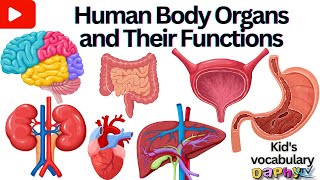
- Welcome to an insightful exploration of internal
- kiddokiddiehub Help your little ones learn about
We hope this detailed breakdown of The Benefits Of Standardized Body Part Labels was helpful.
Frequently Asked Questions about The Benefits Of Standardized Body Part Labels
Q: What is the most accurate information about The Benefits Of Standardized Body Part Labels?
A: Our platform aggregates the most comprehensive and up-to-date insights, ensuring you get relevant details about The Benefits Of Standardized Body Part Labels.
Q: Why is The Benefits Of Standardized Body Part Labels trending right now?
A: Interest in The Benefits Of Standardized Body Part Labels has surged recently as more people seek reliable resources, related media, and detailed analysis.
Q: Where can I find related media and updates for The Benefits Of Standardized Body Part Labels?
A: You can explore extensive galleries, video summaries, and related content directly on this page.