Exploring Catch The Best Waves With Huntington Beach Tide Charts
Welcome to our comprehensive guide on Catch The Best Waves With Huntington Beach Tide Charts.
- The shoreline at Huntington Beach varies from the central pier area to the north‑south stretch near the Bolsa Chica wetlands. A tide that seems ideal for the central point may expose sandbars further north, creating abrupt wave peaks. Without consulting localized depth maps or recent surf reports, surfers risk catching waves on an unsteady section that can cause injury.
- While tide charts provide the foundation, integrating real‑time surf forecast platforms—such as Surfline, Magicseaweed, or the NOAA’s real‑time tide API—offers a dynamic edge. These services overlay tide data with live swell, period, and wind information, allowing surfers to adjust on the fly. For example, a 3‑hour forecast update might reveal an incoming swell period increase from 9 seconds to 12 seconds, indicating a shift in wave quality that a static tide chart alone would miss.
- Want to Learn More? Check Out Learning to
In-Depth Information on Catch The Best Waves With Huntington Beach Tide Charts
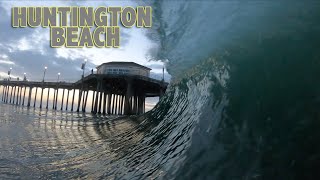
Surf researchers and dedicated riders know that timing a session around the tide can turn an average day at Huntington Beach into a session of clean, peeling waves. By interpreting the latest Huntington Beach tide charts, surfers can anticipate the optimal window for each swell, avoid common pitfalls, and select smarter forecasting tools for consistent performance. Huntington Beach sits on a classic south‑facing point break where the shape of the sandbars responds dramatically to water depth. As the tide rises, the water covers more of the reef, causing wave fronts to peel longer; as it falls, the same reef can become exposed, steepening the wave face and often producing a more intense, faster ride. The tide chart—typically posted by the National Oceanic and Atmospheric Administration (NOAA) or local surf shops—lists high and low water times in both local and tidal height. Many surfers glance at a weekly tide table and assume that “the high tide on Thursday will be good.” This overlooks the critical factor of swell direction. A strong northerly swell combined with a high tide can actually close out the break, while the same tide with a southwest swell can create long rides. Ignoring the interaction leads to wasted hours on flat water. Even a perfectly timed tide can be sabotaged by a sudden onshore breeze that chokes the wave face. Huntington Beach often experiences late‑afternoon sea‑breeze shifts that push surf quality inland. Failing to cross‑check wind forecasts with tide data can result in a session where waves break too early or become too “shallow”.
In summary, understanding Catch The Best Waves With Huntington Beach Tide Charts gives us a better perspective.
Frequently Asked Questions about Catch The Best Waves With Huntington Beach Tide Charts
Q: What is the most accurate information about Catch The Best Waves With Huntington Beach Tide Charts?
A: Our platform aggregates the most comprehensive and up-to-date insights, ensuring you get relevant details about Catch The Best Waves With Huntington Beach Tide Charts.
Q: Why is Catch The Best Waves With Huntington Beach Tide Charts trending right now?
A: Interest in Catch The Best Waves With Huntington Beach Tide Charts has surged recently as more people seek reliable resources, related media, and detailed analysis.
Q: Where can I find related media and updates for Catch The Best Waves With Huntington Beach Tide Charts?
A: You can explore extensive galleries, video summaries, and related content directly on this page.