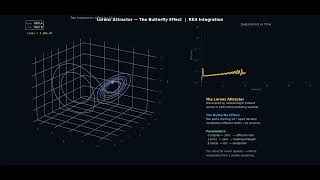
Using Python To Simulate The Butterfly Effect Lorenz Attractor overview
This page collects available information about Using Python To Simulate The Butterfly Effect Lorenz Attractor and organizes it in an easy-to-read reference format.
Key information
Two paths start just 0.00000001 apart. By the end, they are in completely different places. This is
This video shows the solution of a system of differential equations known as the
Chaos theory means deterministic systems can be unpredictable. Thanks to LastPass
Context and analysis
Information related to Using Python To Simulate The Butterfly Effect Lorenz Attractor can change over time. Compare new developments with public records and specialist sources.
Frequently asked questions
What information does this page include?
It includes a summary, related details, context, and links to material connected with Using Python To Simulate The Butterfly Effect Lorenz Attractor.
Is the information updated?
The page is generated dynamically and can incorporate newer information as its available sources are refreshed.
Consult original sources when you need to confirm an important detail.