Heat Equation Implementation In Python overview
This page collects available information about Heat Equation Implementation In Python and organizes it in an easy-to-read reference format.
Key information
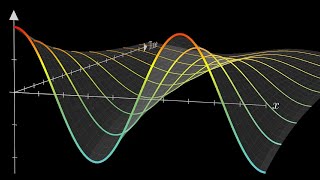
Boundary conditions, and set up for how Fourier series are useful. Help fund future projects: ...
UPDATE: This is not the Crank-Nicholson method. This is the Implicit method. (Thanks to user lasagne for pointing this out.)
The bundle with CuriosityStream is no longer available - sign up directly for Nebula with this link to get the 40% discount!
Context and analysis
Information related to Heat Equation Implementation In Python can change over time. Compare new developments with public records and specialist sources.
Frequently asked questions
What information does this page include?
It includes a summary, related details, context, and links to material connected with Heat Equation Implementation In Python.
Is the information updated?
The page is generated dynamically and can incorporate newer information as its available sources are refreshed.
Consult original sources when you need to confirm an important detail.