Interpreting Sensitivity Analysis On Excel Solver overview
This page collects available information about Interpreting Sensitivity Analysis On Excel Solver and organizes it in an easy-to-read reference format.
Key information
Enjoyed this content & want to support my channel? You can get the spreadsheet I build in the video or buy me a coffee!
Grade 4: OR Section Term 2 Section 3 Linear Programming: Graphical method PDF handouts: ...
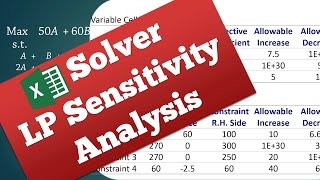
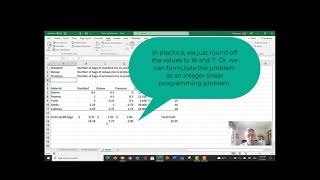
In this video, I demonstrate how to formulate a product mix, linear programming problem and then use Microsoft
Unlock the complexities of linear programming with our detailed tutorial focusing on the
Context and analysis
Information related to Interpreting Sensitivity Analysis On Excel Solver can change over time. Compare new developments with public records and specialist sources.
Frequently asked questions
What information does this page include?
It includes a summary, related details, context, and links to material connected with Interpreting Sensitivity Analysis On Excel Solver.
Is the information updated?
The page is generated dynamically and can incorporate newer information as its available sources are refreshed.
Consult original sources when you need to confirm an important detail.