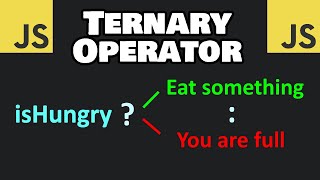
Java Ternary Operator overview
This page collects available information about Java Ternary Operator and organizes it in an easy-to-read reference format.
Key information
00:00:00 intro 00:00:32 example 1 00:02:37 example 2 00:03:36 example 3 00:04:30 example 4.
Suppose I declare two variable i=1,j=5 and if i==1 then print j=6 then I instead of using if else we use j=i==1?6:7.You can replace ...
A conditional expression is a shorthand way to do an if-else statement. It has 3 operands separated by “?” and “:” and referred to ...
Context and analysis
Information related to Java Ternary Operator can change over time. Compare new developments with public records and specialist sources.
Frequently asked questions
What information does this page include?
It includes a summary, related details, context, and links to material connected with Java Ternary Operator.
Is the information updated?
The page is generated dynamically and can incorporate newer information as its available sources are refreshed.
Consult original sources when you need to confirm an important detail.