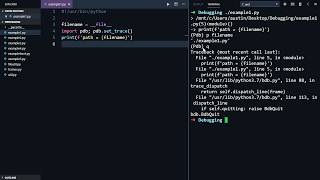
Postmortem Debugging In Python Beginner Intermediate Anthony Explains 018 overview
This page collects available information about Postmortem Debugging In Python Beginner Intermediate Anthony Explains 018 and organizes it in an easy-to-read reference format.
Key information
welcome to a whirlwind tour of bisecting, GIL, strace, gdb, forking, threadstates, undefined behaviour, and deadlocking.
Context and analysis
Information related to Postmortem Debugging In Python Beginner Intermediate Anthony Explains 018 can change over time. Compare new developments with public records and specialist sources.
Frequently asked questions
What information does this page include?
It includes a summary, related details, context, and links to material connected with Postmortem Debugging In Python Beginner Intermediate Anthony Explains 018.
Is the information updated?
The page is generated dynamically and can incorporate newer information as its available sources are refreshed.
Consult original sources when you need to confirm an important detail.